Contact
For inquiries about artworks, exhibitions, collaborations, or other opportunities, please use the form below.
About
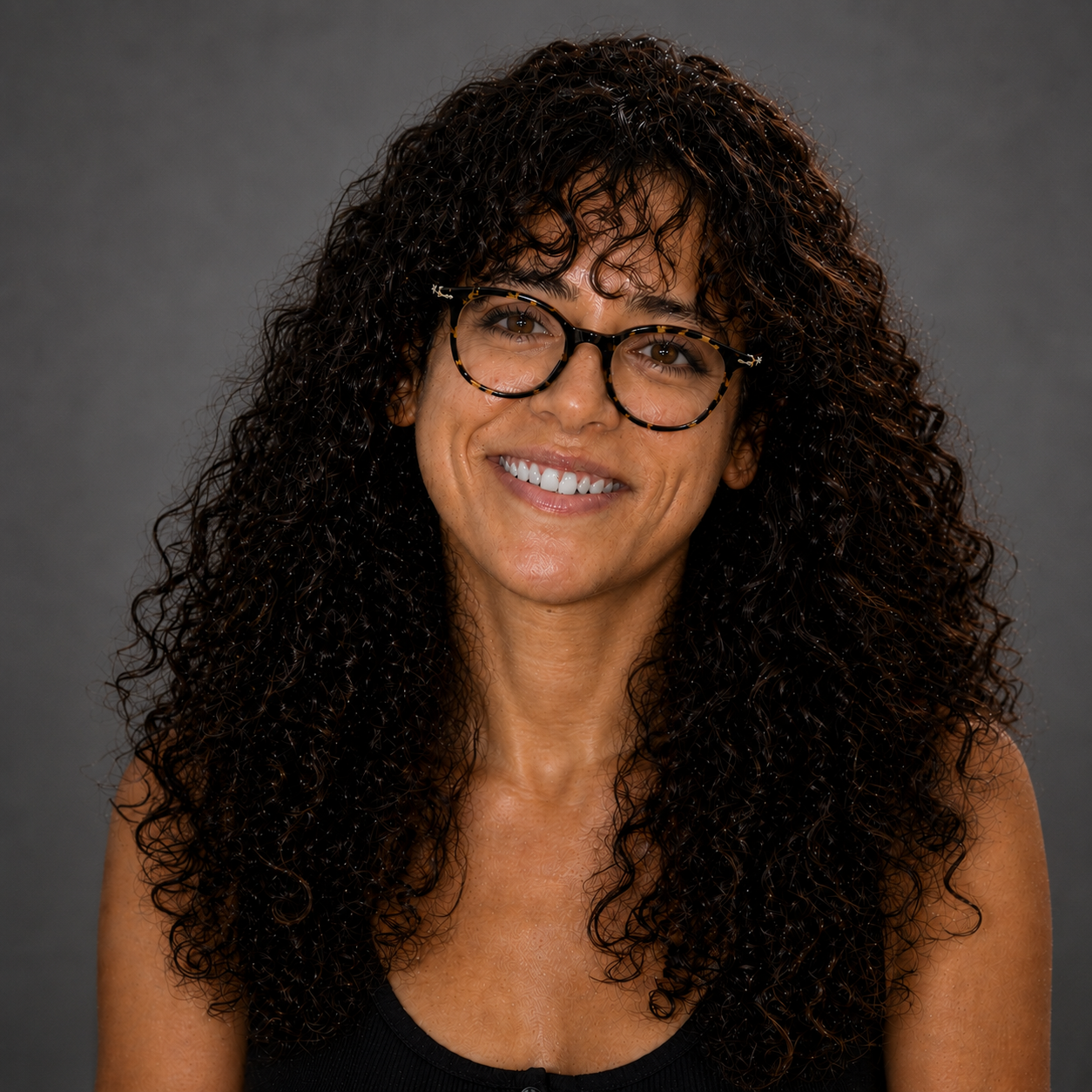
Amira Hamouda Hansi is a Tunisian collage artist currently based in Canada. She works primarily in analog collage, creating compositions from printed images, paper fragments, and found materials. Before settling in Canada, she served as a Professeure Agrégée and taught writing at the University of Tunis for more than a decade. She holds an MA in Liberal Studies from Dartmouth College, where she was a Fulbright Scholar. Her artistic practice explores memory, fragmentation, absence, and the expressive possibilities of collage.
Artist Statement
I work primarily in analog collage, using printed images, paper fragments, and found materials. What first drew me to collage was its ability to explore ideas and forms of meaning that I could not fully reach through language or the practice of writing. Once removed from their original contexts, images are no longer bound to the identities they once carried. Through juxtaposition and recombination, they become available to new associations, allowing me to develop a visual language in which meaning remains open rather than fixed.
I am interested in the unstable relationship between image and meaning. By bringing together fragments from different visual contexts, I explore how images can lose their original identities while acquiring new and often ambiguous associations. Rather than illustrating an idea, I use collage as a way of thinking through images and expressing relationships that words alone cannot fully convey.
Negative space plays an essential role in my practice. The black background is never simply an empty surface but an active element of the composition—a space of absence, silence, and possibility that shapes the relationships between the fragments it surrounds. Through collage, I found a way to approach silence not only through what is represented, but also through what is left unsaid.
My work explores memory, fragmentation, and what remains unsaid. Rather than offering complete narratives, the collages leave room for uncertainty, encouraging viewers to construct their own connections and meanings.